
Earth Day is one of the most natural fits on the nonprofit events calendar. For environmental organizations, it is not just another awareness day. It is a moment when public attention, donor enthusiasm, and mission alignment all come together at once. The challenge is not finding a reason to gather. It is figuring out which type of event will resonate most with your community and help you make the most of the momentum.
Here are some event ideas worth considering, from large-scale community gatherings to smaller, more intimate experiences.
Community Cleanup Events
Few events feel more on-mission for an environmental nonprofit than a community cleanup. Whether you are organizing a shoreline cleanup, a park restoration day, a trail cleanup, or a neighborhood litter sweep, these events are accessible, inclusive, and easy to promote.
They also tend to attract volunteers who may not yet be donors, which makes them a valuable pipeline for future engagement. Consider adding a brief program at the end, maybe a short speaker, some food, and a simple ask, to convert that goodwill into support.
Tips for a smooth cleanup event:
- Use a registration page to collect contact information from every volunteer, not just team captains
- Assign geographic zones and provide printed or digital maps so groups can work independently
- Partner with a local business to sponsor supplies or a post-event meal
For organizations looking to maximize revenue around Earth Day, a spring gala is a strong option. An Earth Day theme gives you a natural aesthetic and messaging framework, and donors tend to be in a giving mindset at this time of year.
Lean into the theme intentionally. That might mean locally sourced catering, plantable seed paper programs, centerpieces made from native plants that guests take home, or a dress code that encourages sustainable fashion. These details signal that your organization takes its mission seriously in every aspect of its work, and donors notice.
A silent or live auction is one of the most effective ways to boost revenue at your Earth Day gala, and the theme practically writes the item list for you. Nature experiences, eco-friendly products, sustainable services, and conservation memberships all make compelling auction items that resonate with an environmentally minded audience. For inspiration, check out our roundup of [eco-friendly auction item ideas for environmental nonprofits]([URL TBD]) over on the AuctionSnap blog.
For auction management, AuctionSnap’s mobile bidding platform lets guests bid from their phones all night, eliminating paper bid sheets and keeping the energy high through checkout.
Nature Walks and Guided Hikes
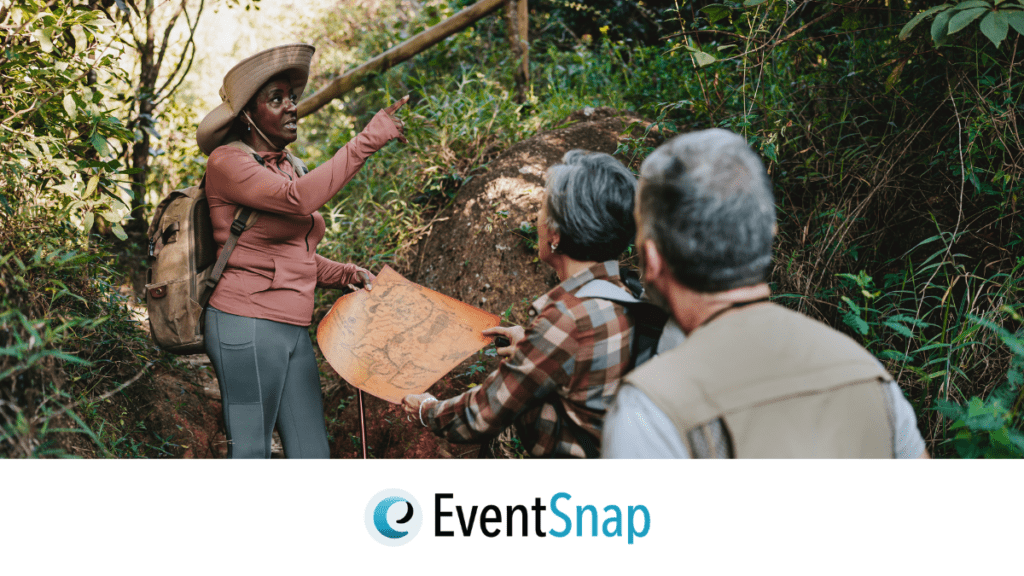
A guided nature walk is a great option for organizations that want something more intimate and educational. Partner with a local naturalist, a birding club, or a conservation land trust to lead a walk through a protected area, wildlife habitat, or restored landscape.
These events work well as ticketed experiences, which adds a fundraising layer without requiring a full gala-level production. Offering a few different walk options at varying difficulty levels helps you appeal to a broader audience, from families with young children to more experienced outdoor enthusiasts.
Consider adding a simple picnic or refreshment station at the end of the trail to give guests time to connect with each other and with your staff.
Educational Panels and Speaker Events
Earth Day is a natural moment to position your organization as a thought leader in your community. A panel discussion or speaker series focused on a timely environmental topic, whether that is local water quality, urban green space, climate resilience, or wildlife conservation, can draw an engaged crowd and generate meaningful press coverage.
These events work well in a hybrid format, with an in-person audience and a live stream for remote participants. That expands your reach without significantly increasing your costs.
A few ways to structure it:
- A moderated panel with three or four local experts
- A keynote speaker followed by a Q&A
- A documentary screening followed by a discussion with a subject matter expert
Pair the event with a giving moment or a membership drive, and you have a low-overhead fundraiser that doubles as community education.
Volunteer and Planting Days
Tree plantings, native garden installations, and habitat restoration days are highly shareable events that generate great social content and give volunteers a tangible connection to your mission. There is something powerful about leaving an event knowing you physically contributed to the land.
These events are particularly well-suited for corporate volunteer groups, school and youth organizations, and family audiences. They can be scaled up or down depending on your capacity and tend to be low-cost to produce if you already have relationships with local nurseries or land partners.
Consider offering a brief tour or educational component alongside the planting to give the day more depth, especially for newer supporters who may not be familiar with your work.
Fundraising Galas and Dinner Events
For organizations looking to maximize revenue around Earth Day, a spring gala is a strong option. An Earth Day theme gives you a natural aesthetic and messaging framework, and donors tend to be in a giving mindset at this time of year.
Lean into the theme intentionally. That might mean locally sourced catering, plantable seed paper programs, centerpieces made from native plants that guests take home, or a dress code that encourages sustainable fashion. These details signal that your organization takes its mission seriously in every aspect of its work, and donors notice.
A silent or live auction is one of the most effective ways to boost revenue at your Earth Day gala, and the theme practically writes the item list for you. Nature experiences, eco-friendly products, sustainable services, and conservation memberships all make compelling auction items that resonate with an environmentally minded audience. For inspiration, check out our roundup of [eco-friendly auction item ideas for environmental nonprofits]([URL TBD]) over on the AuctionSnap blog.
For auction management, AuctionSnap’s mobile bidding platform lets guests bid from their phones all night, eliminating paper bid sheets and keeping the energy high through checkout.
Virtual and Hybrid Events
Not every Earth Day event needs to happen in person. Virtual events open your reach to supporters who cannot attend locally, and hybrid formats let you serve both audiences at once.
Some formats that work well virtually:
- A live-streamed cleanup with real-time updates and a progress thermometer
- A virtual tour of a conservation project or protected land
- An online auction that runs for several days leading up to Earth Day
- A webinar series with environmental educators or scientists
Virtual events also tend to have lower overhead, which can be a meaningful factor for smaller organizations working with lean budgets.
Making Registration and Attendance Easy
Whatever format you choose, the experience your guests have before they even arrive matters. A clean, easy registration process sets the right tone and reduces friction that can lead to drop-off.
EventSnap lets you build a branded event page, manage ticket sales, collect custom registration questions, and send automated confirmations and reminders, all in one place. For Earth Day events with multiple session types, such as a morning walk and an afternoon panel, you can manage different ticket tiers and capacity limits without juggling spreadsheets.
For organizations running a combination of an event and an auction, EventSnap and AuctionSnap work together so your guest data flows seamlessly between both platforms. Your attendees can register for the event and access the auction without having to create separate accounts or navigate between disconnected systems.
Final Thoughts
Earth Day gives environmental nonprofits a rare window when the public is already paying attention. The events that make the most of it are the ones that feel intentional, that connect the experience back to the mission in a way guests can feel.
Whether you are organizing a 500-person gala or a 30-person guided hike, the goal is the same: give your community a reason to show up, deepen their connection to your cause, and leave ready to do more.